For many firearm owners, the search for the perfect holster eventually leads back to a classic material: leather. While modern synthetics have their place, leather remains a favorite due to its durability, comfort, and the way it molds to both the firearm and the wearer’s body over time. However, choosing the right leather holster is about more than just aesthetics. It requires a careful evaluation of how you plan to carry, the type of leather used, and the specific functional features that ensure safety and accessibility. By understanding the nuances of leather holster craftsmanship, you can select a piece of gear that provides a lifetime of reliable service.
Determining Your Primary Carry Method
The first step in selecting a holster is deciding how and where you will wear it. Leather holsters are available in several configurations, with the most common being outside-the-waistband and inside-the-waistband designs. If you prioritize comfort and easy access, an outside-the-waistband holster is often the preferred choice. These are excellent for open carry or for use under a long jacket. Because leather is a natural material, these holsters tend to be quieter than plastic alternatives, making them ideal for those who value discretion in their movements.
For those focused on concealment, an inside-the-waistband leather holster offers a slimmer profile. Leather is particularly advantageous here because it is more breathable and flexible against the skin than hard polymers. A high-quality leather holster will eventually take on a slight curve that matches your hip, significantly reducing the “printing” of the firearm through your clothing. Before purchasing, consider your daily wardrobe and activities to ensure the carry style you choose integrates seamlessly with your lifestyle.
Assessing Leather Quality and Construction
Not all leather is created equal, and the quality of the hide directly impacts the holster’s performance. You should generally look for holsters made from top-grain or full-grain steerhide or horsehide. These materials are thick enough to maintain their shape, which is crucial for safely re-holstering your firearm. A holster that collapses when the gun is drawn can be dangerous, as it may require you to use your non-dominant hand to open the mouth of the holster, potentially crossing your body with the muzzle.
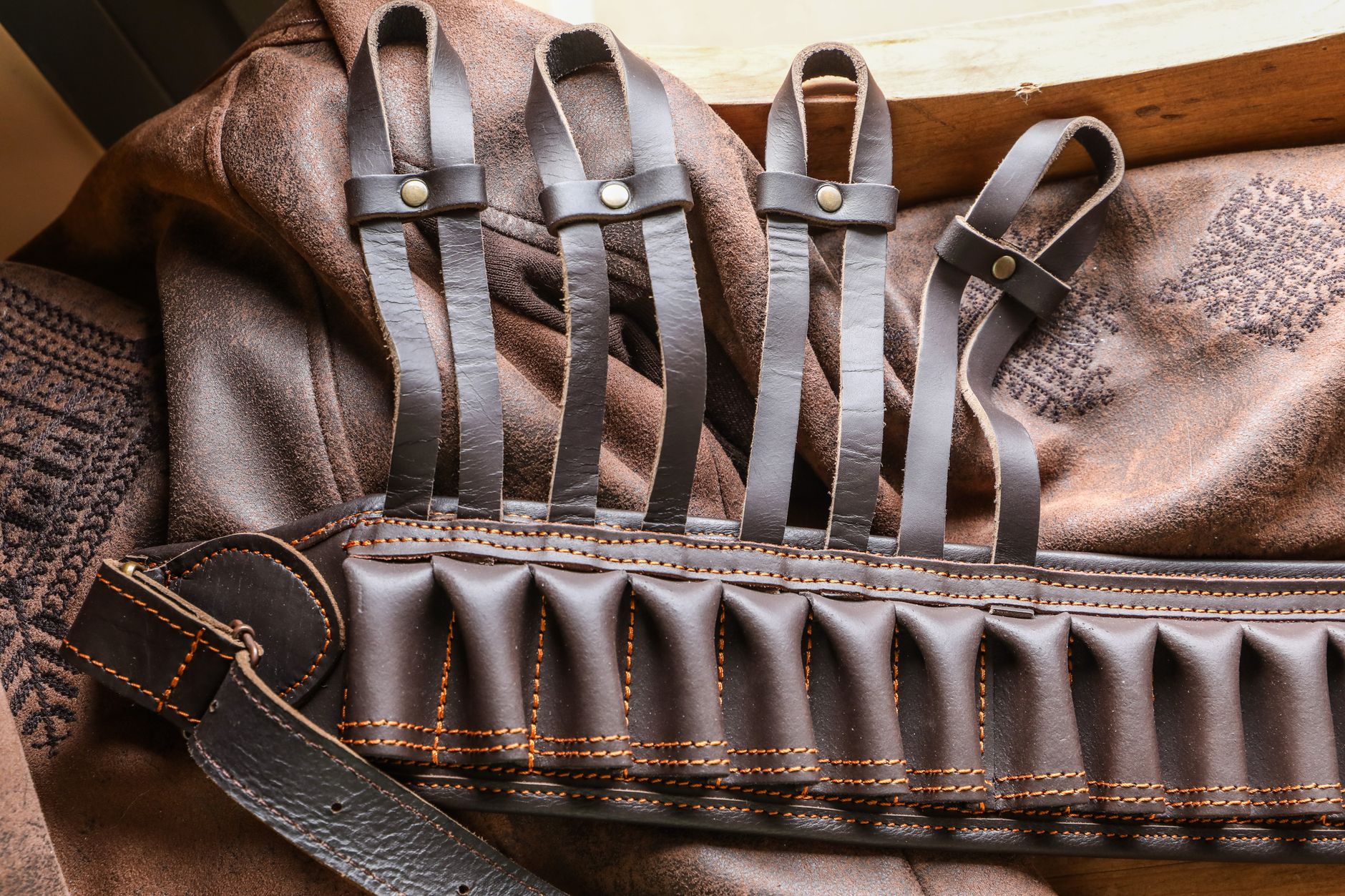
Pay close attention to the stitching and the finish of the edges. High-quality leather gear will feature heavy-duty, reinforced stitching, often with double rows at high-stress points like the belt loops. The edges should be burnished or “smoothed” to prevent fraying and to ensure a comfortable fit against your body. A well-constructed holster should feel stiff when new, requiring a brief break-in period to achieve the perfect balance of retention and draw speed.
Focus on Retention and Trigger Guard Safety
Safety is the most important factor in any holster choice. A leather holster must be molded specifically for your make and model of firearm to provide adequate retention. Friction is the primary method of retention in most leather designs, and the fit should be snug enough that the firearm does not shift during movement but loose enough to allow for a clean draw. Some models include a thumb break or a tension screw, which provides an extra layer of security for those in more active environments.
Furthermore, the holster must completely cover the trigger guard. This prevents any foreign objects, or your own finger, from contacting the trigger while the firearm is seated. A quality leather holster will have a reinforced throat to keep the opening clear and a sweat guard to protect the finish of the firearm from body oils. By checking these safety features, you ensure that your gear is as protective as it is functional.
Conclusion
Choosing a leather holster is an investment in both tradition and practical utility. By focusing on your specific carry needs, insisting on high-quality grain leather, and prioritizing essential safety features like trigger coverage and structural integrity, you can find a holster that excels in any environment. Leather gear is unique in that it improves with age, becoming a personalized part of your daily kit. When you take the time to select the right piece, you are choosing a blend of artistry and security that will stand the test of time.