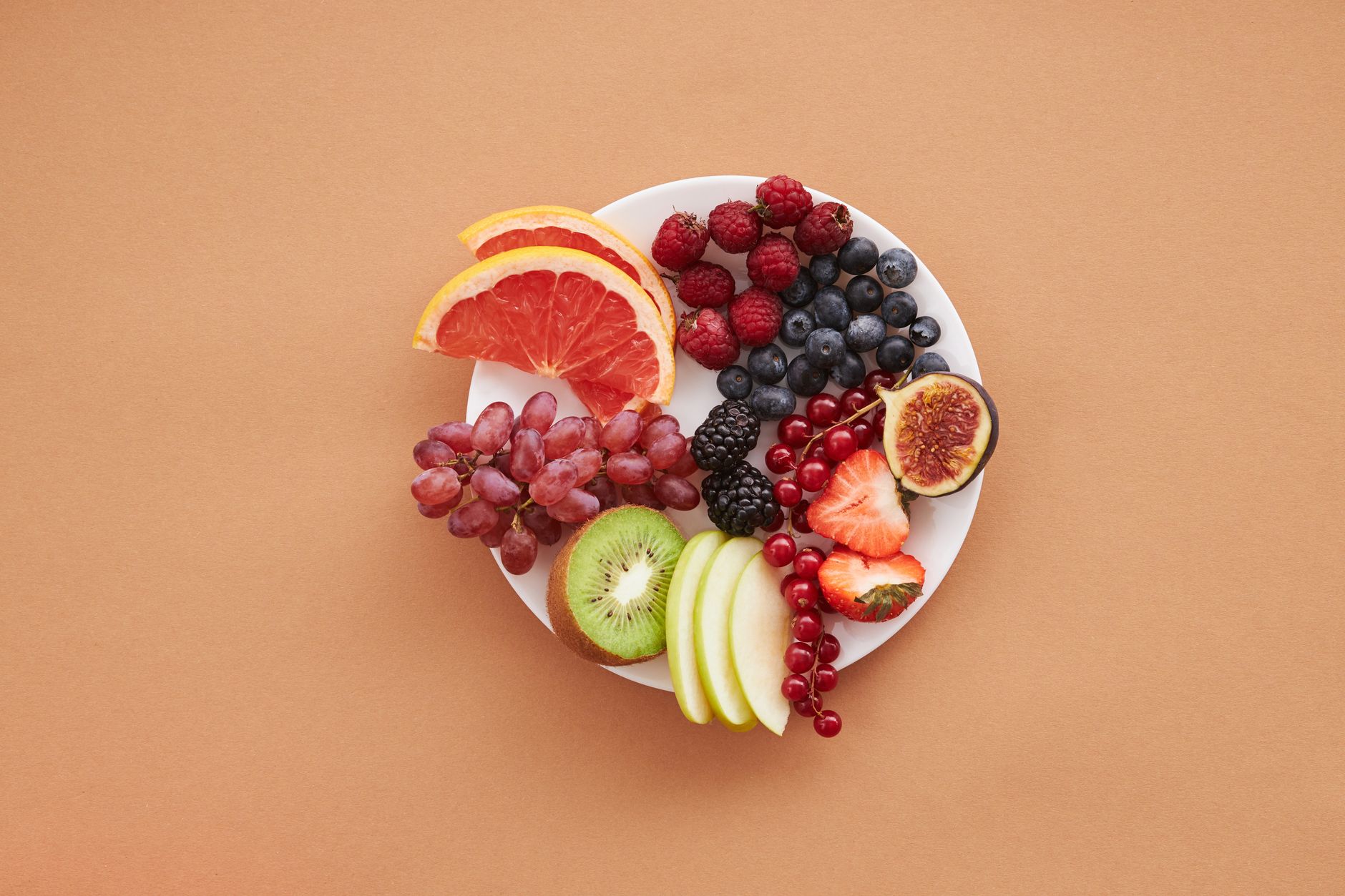
Some fruits can help fight inflammation and support gut health. Harvard recently highlighted cherries as one of the best anti-inflammatory fruits. However, there are plenty of other options that provide similar benefits. Many fruits contain powerful antioxidants and fiber, which support a healthy gut microbiome.
Incorporate protein when consuming fruit to prevent blood sugar spikes. Spikes can cause inflammation, says Ashley Oswald, founder of Oswald Digestive Clinic in Minnesota. Always eat a variety of colorful, fibrous foods.
Related: How to Choose the Best Bluetooth Speaker for Your Needs
Berries: Rich in Probiotic-Boosting Antioxidants
Blueberries, strawberries, raspberries, and blackberries are all great anti-inflammatory options. All berries are rich in anthocyanin, an antioxidant that helps give them their color. Researchers noted that anthocyanin may help increase the amount of probiotic bacteria in the gut, benefiting a healthy microbiome.
Apples: The Gut-Friendly Fiber Powerhouse
Apples are rich in pectin, a soluble fiber that the gut’s bacteria can ferment to create butyrate, a powerful anti-inflammatory nutrient. Those with sensitive guts or IBS should be cautious, as fermentable fibers can worsen symptoms.
Related: Beginner’s Guide to Men’s Makeup
Citrus Fruit: Antioxidant and Gut Microbiota Boosters
Oranges and lemons are rich in flavanones, antioxidant compounds with anti-inflammatory properties. These fruits are also high in vitamin C. Vitamin C can help with constipation and manipulate gut microbiota composition. Researchers found that high-dose vitamin C supplementation can lead to beneficial shifts in bacterial populations in the gut.
Pomegranates: The Antioxidant Fruit
Pomegranates are packed with polyphenols. Once digested, they turn into urolithin, which can reduce inflammation and support a healthy gut microbiome by fighting harmful bacteria. UCLA Health notes that pomegranates may also help reduce age-related decline and prevent cardiac dysfunction.
Grapes: The Resveratrol Rich Fruit
Grapes contain resveratrol, a compound that acts against harmful bacteria and fungi. Resveratrol is also anti-inflammatory and has high antioxidant potential. Research highlights these benefits.
Cherries: Packed With Vitamins and Fiber
Cherries are rich in vitamins A, C, and E, as well as polyphenols. One cup of sweet cherries provides 2.5 grams of fiber, which feeds the good bacteria in the gut. Experts have noted these benefits.
Related: Maria McManus Blends Softness With Sharp Tailoring
Kiwis: Great for Constipation and Motility
Kiwis help increase bowel movement frequency, reduce straining, and improve stool consistency. They’re rich in vitamin C, dietary fiber, folate, potassium, and antioxidants. A 2022 scientific review in the journal Advances in Nutrition supports these findings.
Prunes: The Bone and Gut Health Booster
Prunes are rich in fiber and vitamin K, benefiting bone health and gut issues. Researchers found that prune supplementation can positively impact the gut microbiota in postmenopausal women. The USDA notes that 100 grams of dried plums contains about 6.3 grams of fiber.





Leave a Reply