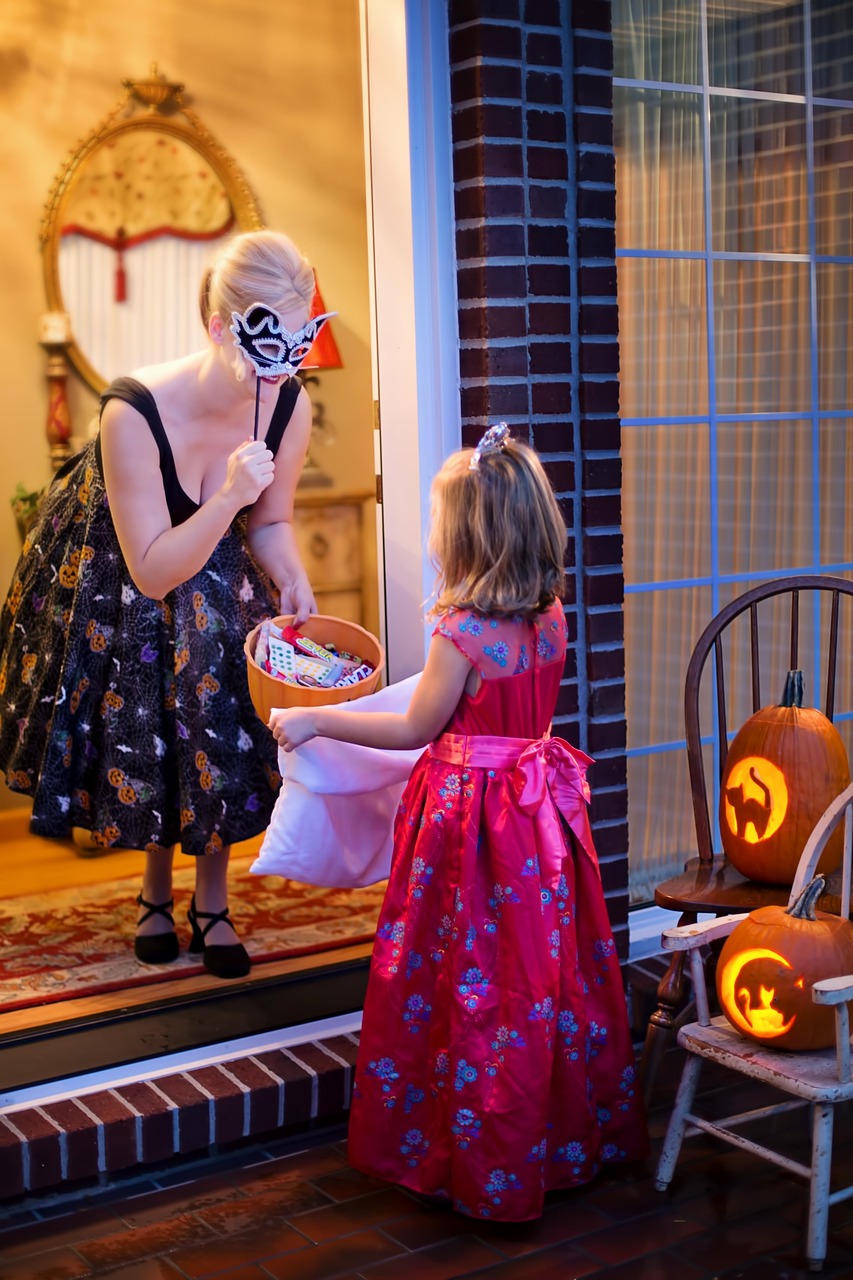
Every October 31st, millions of people worldwide don costumes and masks, embracing the playful terror of Halloween. This tradition of concealing one’s identity has become an indelible part of modern autumnal celebrations, yet the simple act of covering the face carries millennia of cultural and spiritual significance.
The History of Halloween Masks is a fascinating journey that stretches far beyond novelty store aisles and plastic vacuum molds. It is a narrative rooted in ancient Celtic rituals, adapting through economic shifts, technological innovations, and the ever-changing landscape of popular culture. Understanding these masks means tracing a direct line from protecting oneself against wandering spirits to celebrating cinematic monsters.
Key Takeaways
- Ancient Roots in Samhain: Masks were initially worn not for fun, but as crucial protective disguises to ward off or hide from the spirits believed to roam the earth during the Celtic festival of Samhain.
- The Commercial Revolution: The tradition shifted dramatically in the late 19th and early 20th centuries, moving from homemade disguises to commercially produced paper and muslin masks.
- The Golden Age of Plastic: Post-World War II, companies like Ben Cooper Inc. revolutionized the industry with cheap, mass-produced plastic masks and accompanying box sets, solidifying the modern Halloween costume blueprint.
- Cultural Mirrors: Halloween masks have consistently reflected the anxieties and obsessions of their time, moving from generic spooky figures to specific cultural icons like movie monsters and political figures.
From Ancient Samhain to Spiritual Protection
To truly appreciate the history of Halloween masks, one must travel back approximately 2,000 years to the ancient Celtic festival of Samhain. Celebrated in what is now Ireland, the UK, and Northern France, Samhain marked the end of summer and the harvest, and the beginning of the dark, cold winter.
The Celts believed that on the night of Samhain, the boundary between the living and the dead blurred. Spirits, both benevolent and malevolent, could cross over. This spiritual vulnerability necessitated extreme measures to ensure survival until dawn.
The Ritual Roots: Warding Off Evil Spirits
It was during this time that early forms of masking and disguising were crucial. Villagers would often participate in rituals where they wore crude animal hides or painted their faces. The purpose was twofold: first, to confuse or disguise themselves from malicious ghosts who might seek to harm them; and second, to sometimes impersonate the spirits themselves, thereby gaining protection or passage.
These early masks were far from the elaborate creations we see today. They were functional, often fashioned from gourds, animal skulls, or basic pieces of leather and cloth. The act of “guising” (disguising oneself) later evolved into the European tradition of mumming and the early American practice of “trick-or-treating.”
The Victorian Era Shift and Early Commercialization
As pagan traditions merged with Christian observances (All Saints’ Day and All Souls’ Day), the need for ritual protection lessened, but the tradition of costuming persisted. By the Victorian era (mid-19th century), Halloween began transforming into a community and social celebration focused less on fear and more on autumnal harvest parties and mischief.
Homemade masks remained the norm, often crafted from simple paper bags, muslin, or wire mesh. These were usually generic—a simple ghost, a clown, or a character from folklore. However, the rapidly industrializing world soon introduced commercial possibilities.
By the turn of the 20th century, companies began mass-producing lightweight masks. These initial products were often made of papier-mâché or stiffened fabric. They were fragile and expensive compared to a homemade solution, but they marked the beginning of Halloween as a significant retail opportunity.
The Rise of Novelty Mask Makers
The early 1900s saw companies like Dennison Manufacturing and Beistle creating decorative goods, including early holiday-themed masks. These were generally flat, graphic faces meant to be held on a stick or secured with a flimsy elastic band. Crucially, the subject matter began to expand beyond the purely terrifying to include more comedic or generalized figures, like hobos or storybook characters, reflecting a lighter societal approach to the holiday.
The Golden Age of Halloween Masks (Mid-20th Century)
The decades following World War II saw the true explosion of the Halloween costume industry. New, affordable manufacturing techniques combined with the American post-war economic boom created a fertile market for mass-produced holiday goods.
This period is essential to the **history of Halloween masks** because it introduced the iconic, cheap, and disposable costume packaging recognizable today: the box, the vacuum-formed plastic mask, and the vinyl smock.
Ben Cooper, Topstone, and the Plastic Revolution
The undisputed king of this era was Ben Cooper Inc. Along with competitors like Collegeville and Topstone, Ben Cooper pioneered the use of vacuum-formed plastic (acetate) for masks. This material was light, highly moldable, and incredibly inexpensive to produce in vast quantities.
Suddenly, children weren’t just dressing as generic ghosts; they were dressing as specific, copyrighted characters. Ben Cooper quickly secured licensing deals for popular culture icons, including Mickey Mouse, the Universal Monsters (Frankenstein, Dracula), and later, television superheroes.
The design of these masks became a cultural touchstone: ill-fitting, often hot and difficult to breathe in, featuring small eyeholes and painted details that rarely lined up with the molded features. Despite these flaws, they were accessible and allowed every child to instantly transform into their favorite character—a profound change from the homemade tradition.
The 1970s and 1980s introduced latex and rubber masks, offering greater realism and comfort. This allowed manufacturers to move away from the flat, cartoonish look of acetate toward highly detailed, three-dimensional faces that perfectly replicated movie monsters like Freddy Krueger and Michael Myers, ushering in an era of cinematic horror dominance in mask design.
Conclusion
The journey of the Halloween mask, from the rough animal hides of Samhain to the hyper-realistic silicone creations of the 21st century, reflects profound shifts in our relationship with fear, identity, and commerce. What began as a solemn, life-or-death spiritual necessity transformed into a global, multi-billion-dollar retail tradition.
Today, the mask serves multiple purposes: it offers anonymity, allows temporary escape into fantasy, and acts as a powerful canvas for creative expression. The **history of Halloween masks** proves that whether the face is intended to ward off spirits or simply win a costume contest, the impulse to hide who we are, even for a night, remains a deeply human ritual.
Frequently Asked Questions (FAQ)
Why were masks originally worn on Halloween?
The tradition originated with the ancient Celtic festival of Samhain. Masks and disguises were worn primarily as a form of protection. They were intended to confuse the spirits of the dead, who were believed to cross into the world of the living, preventing the spirits from recognizing or harming the villagers.
What company pioneered mass-produced plastic Halloween masks?
Ben Cooper Inc. is widely credited with pioneering the mass production and commercialization of Halloween masks in the post-World War II era. They utilized vacuum-formed plastic (acetate) and secured crucial licensing agreements for popular characters, establishing the standard costume box set.
When did costuming shift from purely scary to include cute characters?
This shift began in the late 19th and early 20th centuries. As Halloween became less focused on spiritual fears and more on community parties and children’s activities, masks began reflecting lighter themes, including storybook characters, animals, and comedic figures, a trend solidified by the introduction of licensed characters in the mid-20th century.
What materials were used before plastic revolutionized the mask industry?
Prior to the mid-20th century, early commercial and homemade masks were typically made from organic and inexpensive materials, including animal hides, gourds, carved wood, paper bags, muslin, and most commonly in the early 1900s, fragile papier-mâché.