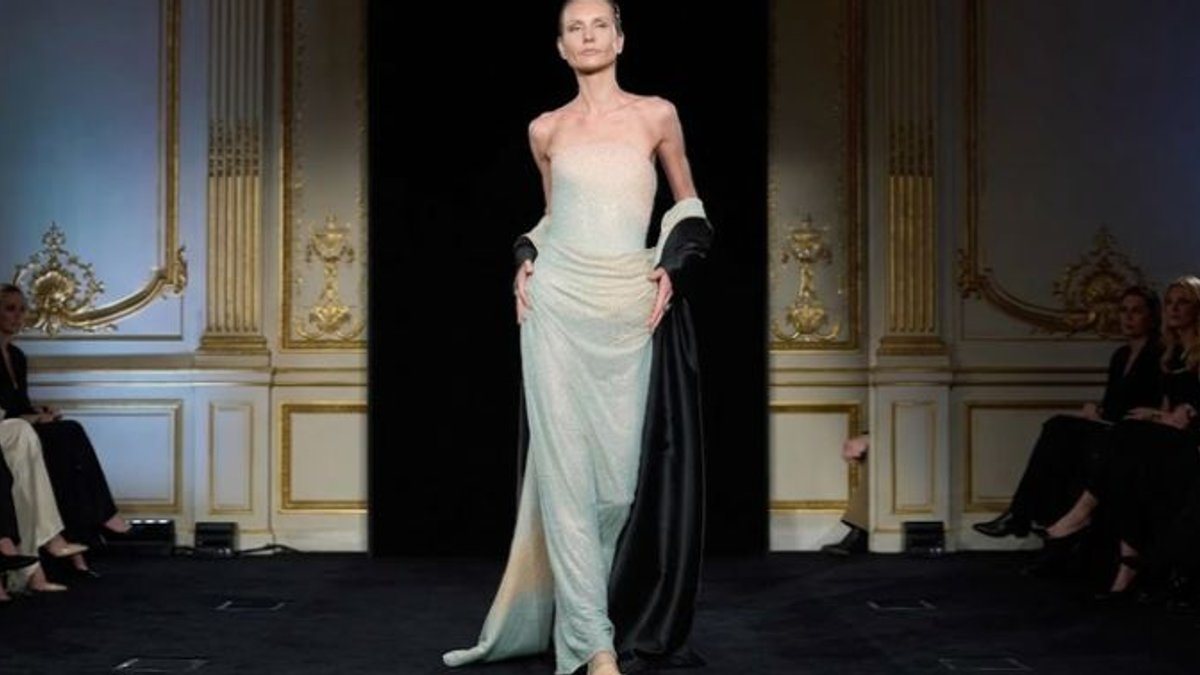
The mood in fashion is shifting from understated elegance to theatrical flair. After years dominated by minimalism and quiet luxury, designers are adopting bold textures, ornate silhouettes, and dramatic elements once reserved for formal events. Tassel scarves, fur-trimmed coats, chinoiserie motifs, and voluminous evening wear are now being worn as if the wearer were on the way to the opera, marking a clear departure from the previous era’s restraint.
A New Appetite for Drama
The appeal of opera dressing lies in its contrast to the fading tradition of black-tie occasions. With formal events becoming rarer, elegance is being sought in everyday settings. A piano shawl worn to a grocery store or a chinoiserie jacket paired with denim exemplifies this shift. Subtler entry points include cummerchunds, pendant necklaces, and statement silver cuffs. Vintage and archival pieces play a central role, as designers and dealers note a growing appreciation for the extraordinary craftsmanship of historical garments.
Maison Essentiele founder Olivia Koennecke attributes the trend to a renewed appetite for romance, glamour, texture, and theatricality. She advises building an outfit around a single statement piece. This approach allows for versatility, blending high drama with everyday practicality. The movement reflects a broader cultural desire for expression in a post-pandemic world where formal dress codes have relaxed significantly.
India’s Existing Fabric of Opulence
For Indian fashion, opera dressing is less an import than an evolution of existing traditions. Velvet, brocade, heavy embroidery, and dramatic draping are staples of India’s festive and wedding calendars. While some labels may not market themselves under the “opera dressing” banner, the craft base and silhouettes are already present. The winter-wedding season presents a natural opportunity for this trend to flourish.
At the couture level, houses like Sabyasachi, known for dense embroidery and heritage Bengal textiles, are well-positioned to adopt the movement. A velvet coat or embroidered jacket over a plain base aligns with their maximalist sensibility. Manish Malhotra, recognized for cinematic glamour and heavy embellishment, has joined the Paris couture calendar, bringing Indian opulence to global runways. Rahul Mishra and Gaurav Gupta, both Indian designers with a presence in Paris haute couture, utilize traditional techniques like zardozi and dabka to create sculptural volume and artisanal finishes.
Related Post: Secret Designer Tops Red Carpet Fashion
Semi-Formal and Casual Adaptation
In the semi-formal tier, the trend must prove its commercial viability by offering jackets, duster coats, or shawls that work over everyday tailoring. Ritu Kumar, a veteran in Indian textiles, could leverage her heritage block printing expertise to introduce brocade and printed overlayers at accessible prices. Anita Dongre, known for serving multiple budgets, is well-positioned to make the trend travel beyond the wedding circuit. Raw Mango’s Sanjay Garg combines imported merino wool with Chanderi silk weaves, creating a base for handloom opera coats. Gaurang Shah’s handloom revivalism could be recut into kimono-style dusters and long jackets.
At the casual end, opera dressing becomes a matter of borrowing one element and styling it down. A fringed shawl over jeans or a jacquard layer over a plain tee exemplifies this approach. Péro, named after the Marwari word for “to wear,” naturally fits into this trend with its handcrafted, layered pieces. Fabindia, with its mass reach in Indian crafts, could introduce quilted, block-printed, or brocade overlayers at scale.
Nicobar’s lifestyle-led design ethos suits robe coats and printed evening layers, while Suta’s handloom drape and fringed edges align with the trend’s textural focus. Doodlage’s upcycled aesthetic resonates with the vintage and repurposed pieces driving the Western movement. AND, a mainstream high-street label, could translate faux-fur trims and velvet jackets into accessible price points.
The trend’s momentum in the West stems from a reaction against quiet luxury and the decline of formal dress codes. India, with its calendar full of celebrations, faces the opposite challenge. The opportunity lies in crossover: a piece worn to a sangeet can be restyled for dinner, and labels offering a hero piece that is easy to wear independently are most likely to succeed.

Leave a Reply