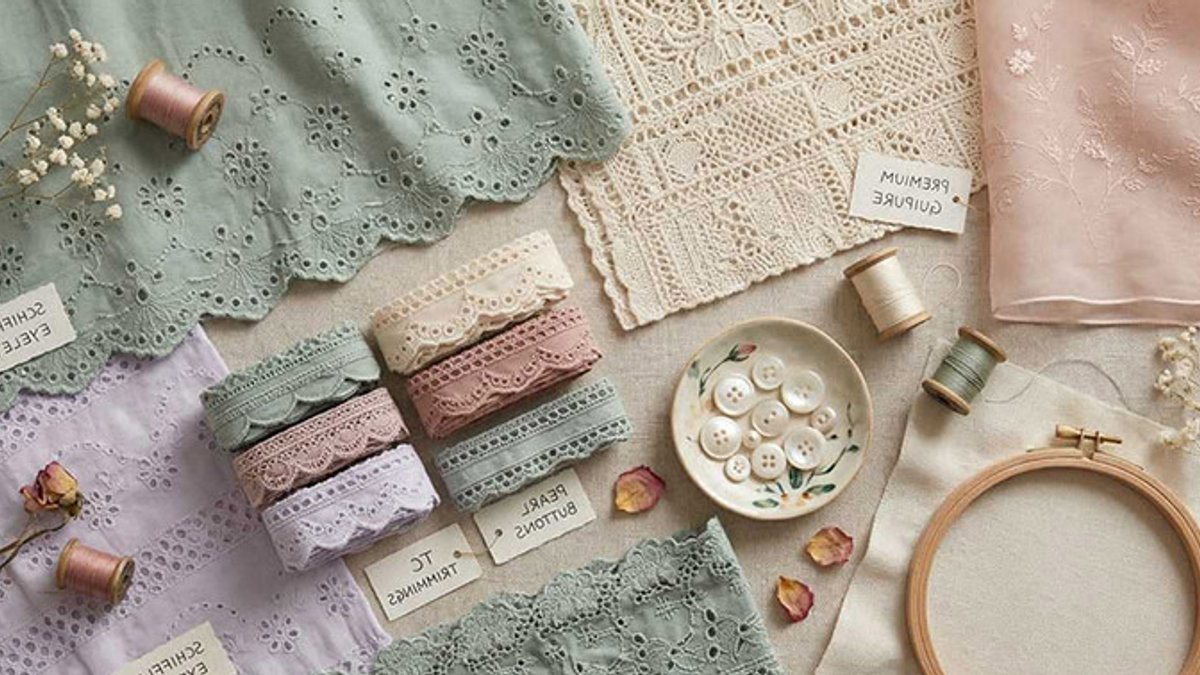
Pioneer Embroideries, a 35-year-old manufacturer and exporter of Schiffli embroidery, Torchon and Bobbin laces, and Raschel laces, is refocusing its operations on quality, sustainability, and compliance as customer demands evolve. The company, which serves both domestic and international markets including the US, Europe, Vietnam, Sri Lanka, and Bangladesh, is adapting to stricter standards while exploring new opportunities in home textiles.
Raising the Bar on Quality and Compliance
According to Manoj Pillay, Senior VP of Pioneer Embroideries Ltd., premium and niche segments now require rigorous adherence to sustainability and compliance standards beyond product quality alone. “It is no longer just about the product; quality, sustainability and compliance all play an important role,” Pillay explained. The company has achieved certifications such as OEKO-TEX Standard 100, a requirement increasingly non-negotiable for most brands. Some brands ask for additional requirements beyond these basic certifications, including their own audits and compliance standards. These audits cover everything from labour and social compliance to environmental practices, building structure and other aspects of factory operations.
We have to give them access to the entire factory and allow them to speak to anyone as part of the process. “I consider this one of the most rigorous forms of auditing,” Pillay said. Production rejections have risen due to precision demands, particularly in lingerie, where embroidery on bra cups must be symmetrical and dimensionally exact. While deviations were always minimized, today’s margins for error are tighter, reflecting a broader shift in the Indian industry toward premium markets that prioritize flawless execution.
Capitalizing on Premium Segments
The niche segment, willing to pay premiums, has enabled Pioneer to enter high-end lingerie, fashion, and sleepwear markets. Pillay noted success with boutique sleepwear brands and opportunities in traditional wear across Southeast Asia, where white embroidery remains popular. Over the past three to four years, the company has successfully met these demands, leveraging its certifications and audit readiness to secure global nominations.
Home Textiles: A New Frontier
Home textiles represent an emerging growth area, driven by higher fabric consumption compared to apparel. A garment might use two to three meters of material, while bedding or curtains require significantly more. “This makes the volume opportunity quite attractive,” Pillay said. Embroidered fabrics and trims are applied to products like duvet covers, pillow shams, and curtains for clients such as Indo Count, Faze Three, and IKEA.
Pillay anticipates growth as domestic awareness increases, positioning home textiles as a strategic focus for Pioneer. The company’s exports to the US and Europe already support this segment, with plans to expand offerings as Indian consumers adopt embellished designs.
Dope-Dyed Yarns and Heritage Brand Hakoba
Beyond embroidery, Pioneer operates in dope-dyed polyester filament yarns, a specialty contributing to its market position. Dope-dying reduces water and energy use compared to traditional methods, aligning with sustainability goals. This capability supports clients seeking eco-conscious materials for apparel and home textiles. The company also manages Hakoba, a heritage brand founded in 1959 specializing in embroidered fabrics for Indian ethnic and fusion wear. Hakoba leverages Pioneer’s expertise to create designs appealing to domestic consumers, bridging traditional craftsmanship with modern fashion demands. The brand remains a key asset in Pioneer’s diversification strategy.





Leave a Reply