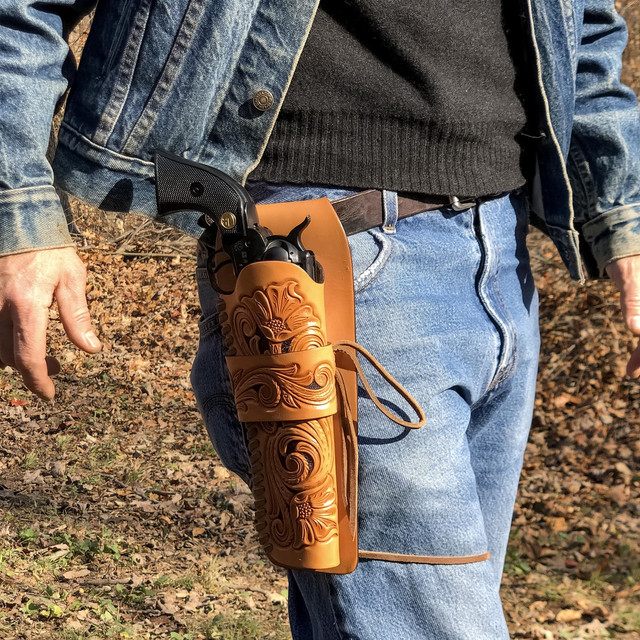
Keeping your leather holster clean and hydrated preserves its structural stiffness and prevents the fibers from drying out and splitting. Leather is an organic, porous material that loses its natural oils and moisture through daily wear, friction, and exposure to the elements. The fibers become brittle as the internal lubricants evaporate, resulting in irreversible breaks that jeopardize the safety and retention of your holster. Taking proactive steps to clean, condition, and dry your gear properly ensures your investment remains a reliable tool for decades of carry.
Controlled Moisture Control and Proper Drying Techniques
Exposing a leather holster to excessive moisture is the fastest way to ruin its tight, custom-molded fit and cause surface cracking. Whether from a sudden rainstorm or heavy perspiration during summer carry, leather will inevitably absorb water over time. The danger does not come from the water itself, but rather from how you dry the wet leather out afterward.
Applying direct heat from a hair dryer, radiator, or direct sunlight to speed up the drying process ruins the material. Forced heat bakes the moisture out too quickly, pulling the natural, deep-seated tannins and oils out along with it. This rapid dehydration causes the leather to shrink, warp, and develop deep, unfixable structural cracks. The correct approach is to wipe off any pooling water with a clean microfiber cloth and let the holster air-dry naturally at room temperature.
Strategic Conditioning and Avoiding Over-Softening
Applying a specialized leather conditioner replenishes the essential oils that keep the leather supple and resilient. Without periodic conditioning, the constant flexing of daily draws and holstering creates microscopic tears on the surface. These small stress lines eventually expand into deep fractures that ruin the aesthetic and function of your gear.
You must choose your conditioning products carefully, as formulas designed for boots or saddles can ruin a firearm holster. Products like mink oil, neat’s-foot oil, or heavy grease penetrate too deeply, over-softening the leather until it loses its retention shape. A holster must remain rigid to protect the trigger guard and facilitate a safe, smooth draw. Using a light, wax-based cream or manufacturer-approved balm twice a year provides the perfect balance of hydration and structural stiffness.
Regular Cleaning to Remove Abrasive Debris
Removing daily sweat, salt, and road grit prevents abrasive particles from wearing down the surface finish of your holster. Sweat contains high concentrations of sodium, which actively draws moisture out of leather as it dries. Dirt particles also wedge themselves into the seams and pores, acting like sandpaper every time the leather flexes.
Cleaning your holster requires a simple wipe-down with a damp cloth to clear away surface dust and light salt deposits. For deeper cleaning, use a highly diluted, pH-balanced leather soap with a soft-bristled brush to gently lift embedded grime. Avoid using dish soaps, rubbing alcohol, or harsh chemical detergents, as these substances strip away the protective topcoat and leave the leather vulnerable to drying out.
The Core Blueprint of Leather Holster Care
Establishing a simple, seasonal maintenance routine protects your carry gear from the harsh environments of daily use. Consistency is far more effective than trying to salvage dried-out leather after damage has already occurred.
Monitoring the tension screws and stitching during your monthly inspections ensures the physical integrity of your holster remains intact. Addressing minor dry patches early with a fingertip dab of conditioner prevents the surface from opening up. Taking five minutes every few months to inspect your gear keeps your firearm secure and your holster performing like new.
Conclusion
Preventing your leather holster from cracking requires a simple balance of regular cleaning, gentle hydration, and safe drying habits. Treating your leather as a premium organic asset ensures it retains the structural rigidity necessary for safe, everyday carry. Avoiding harsh heat sources and overly aggressive oils preserves the custom mold of your holster while keeping the surface smooth. Investing a small amount of time into basic maintenance guarantees your leather gear remains durable, reliable, and comfortable for a lifetime of service.



Leave a Reply