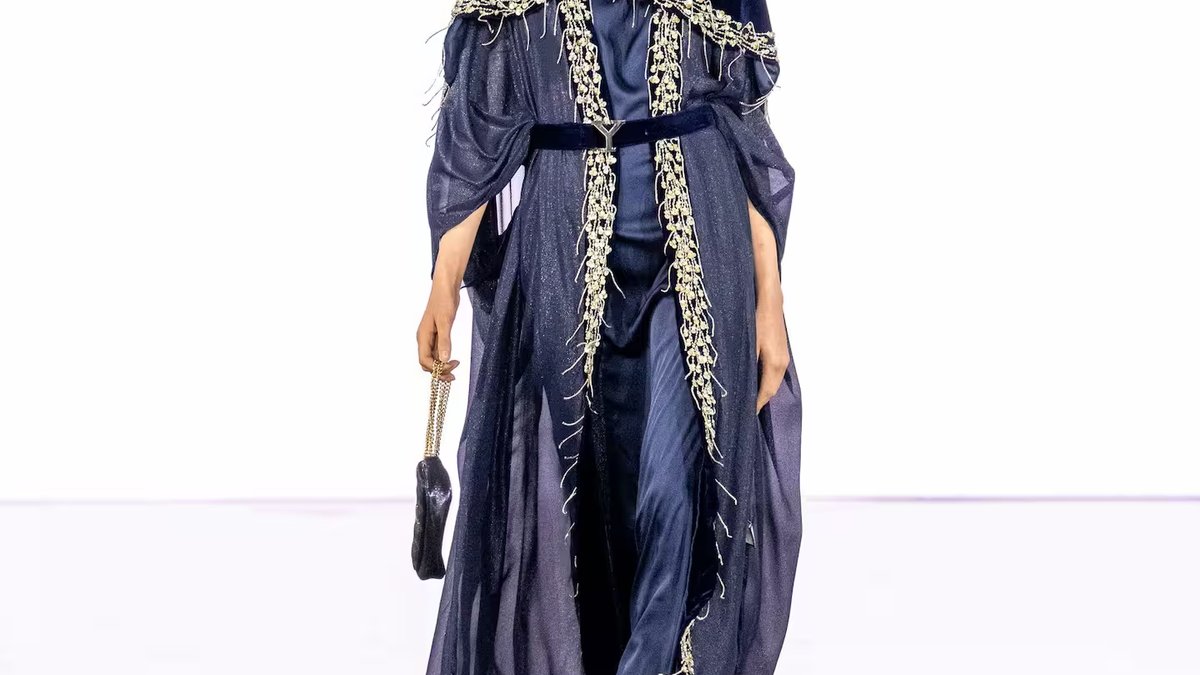
The Oriental Fashion Show is returning to Milan Fashion Week on September 23, 2026, with a focus on blending haute couture with Silk Road traditions. The event will take place at the National Museum of Science and Technology Leonardo da Vinci, featuring three designers whose work bridges cultural heritage and modern design: Yoland from Oman, RENA from Morocco, and Göwher Gouvernet from Turkmenistan.
A 20-year tradition of cultural fusion
The show, founded by Hind Joudar, has operated for over two decades as a platform for Oriental couture, presenting more than 200 designers from 50 countries across fashion capitals like Paris, Dubai, and Istanbul. This year’s edition marks its latest collaboration with Milan, reinforcing its role as a bridge between East and West.
Each designer brings a distinct approach to traditional garments. Yoland, for instance, reimagines the Abaya, a staple of Gulf and Middle Eastern women’s fashion, through Dhofar-inspired embroidery and contemporary techniques. The collection draws from Omani artisanal heritage, particularly the region’s centuries-old frankincense trade and detailed ornamental motifs.
From caftans to nomadic embroidery
RENA, a Moroccan brand rooted in Casablanca’s craftsmanship, debuts its first collection, a modern take on the caftan. The pieces are handcrafted by maalem, master artisans who preserve traditional Moroccan savoir-faire. The brand’s name reflects its vision: Renata (after the founder’s mother’s couture maison), Renacimiento (Renaissance), and Reconnection, symbolizing a link between heritage and contemporary life.
Göwher Gouvernet, a Turkmen designer based between Paris and Ashgabat, merges nomadic traditions with Parisian tailoring. Her work highlights keshde, a traditional Turkmen embroidery, alongside precision-cut fabrics. Trained in Paris and St. Petersburg, she has worked with international couture houses and taught at FORMAMOD Paris, further cementing her role in cross-cultural design.
Past editions have demonstrated the event’s ability to attract both industry professionals and cultural enthusiasts. The 2026 lineup continues this trend, with each designer offering a unique interpretation of their national heritage. For Yoland, it’s the Abaya; for RENA, the caftan; for Gouvernet, the nomadic embroidery of Turkmenistan. The result is a collection that feels both timeless and fresh.




Leave a Reply