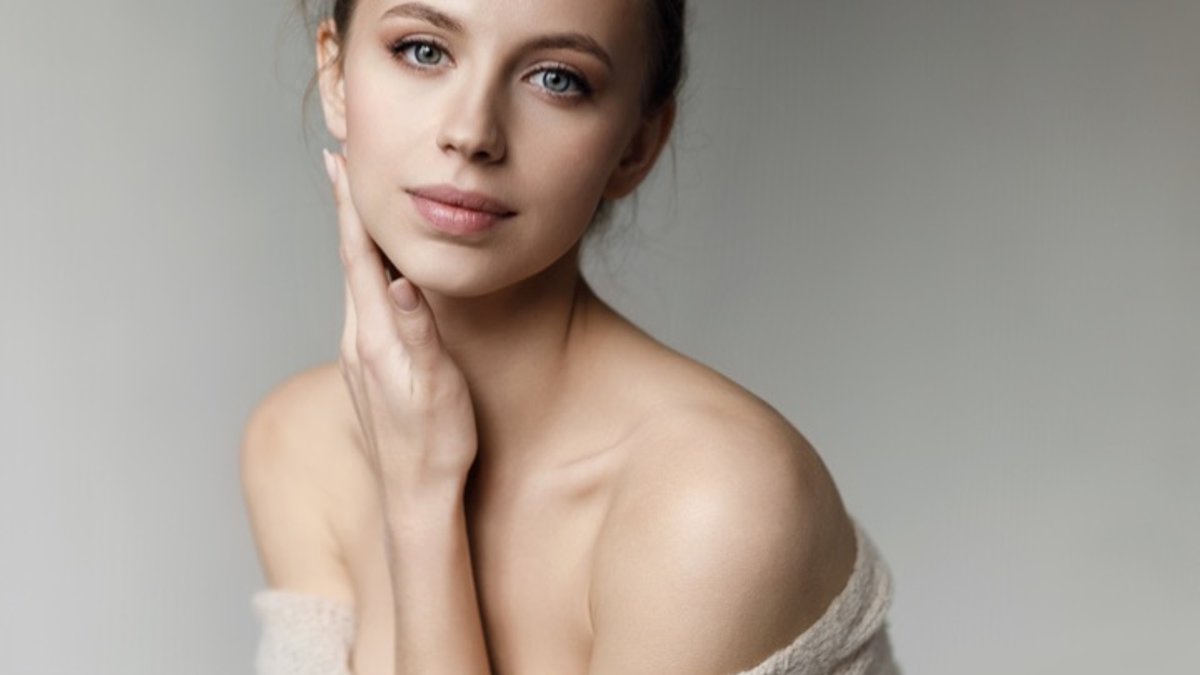
The demand for natural-looking cosmetic enhancements is reshaping beauty standards, placing subtle adjustments above dramatic transformations. Procedures that once left a clear signature, such as overly exaggerated lips or rigid facial expressions, are being replaced by treatments that aim to refine rather than overhaul. Clinics like Rivkin Aesthetics now concentrate on blending changes with a person’s existing features, so the outcome feels like an improvement instead of a complete reinvention.
Why the “Did You Do Something?” Look Is Winning
Today’s ideal result is a face that appears effortlessly refreshed: smoother skin, softer lines, or a more balanced structure without any obvious signs of intervention. Unlike past trends that erased imperfections or forced symmetry, modern approaches accept natural asymmetry. A smile should still look like a smile, not a frozen mask. The appeal lies in recognizability; people want to resemble themselves while enjoying a few confidence-boosting tweaks.
This shift mirrors a broader cultural move away from extreme makeovers. Patients no longer ask how much can be altered; they instead consider which small adjustment would improve their sense of self. Some seek volume restoration, others target uneven skin tone, and many simply aim to soften fine lines. The key is restraint, what works for one face may look excessive on another. Success depends on how well a treatment aligns with an individual’s natural proportions, age, and expression.
Social media and celebrity influence still play a role, yet the conversation has matured. In earlier years observers wondered what procedures were performed; now they notice how natural the results appear. People are more open about undergoing cosmetic procedures, but the goal remains unchanged: outcomes that feel authentic. There is less pressure to conceal treatments entirely, and also less fascination with overtly altered appearances.
Beauty as Personal Preservation, Not Reinvention
Clinics now emphasize starting with a patient’s unique features rather than imposing trends. A treatment plan considers skin texture, facial structure, and even how a person naturally expresses emotion. The result may be less flashy, but it is more tailored, and that is what matters most. By focusing on personal anatomy and expression, providers can deliver outcomes that blend seamlessly with everyday life, ensuring that enhancements support rather than dominate a person’s identity.




Leave a Reply