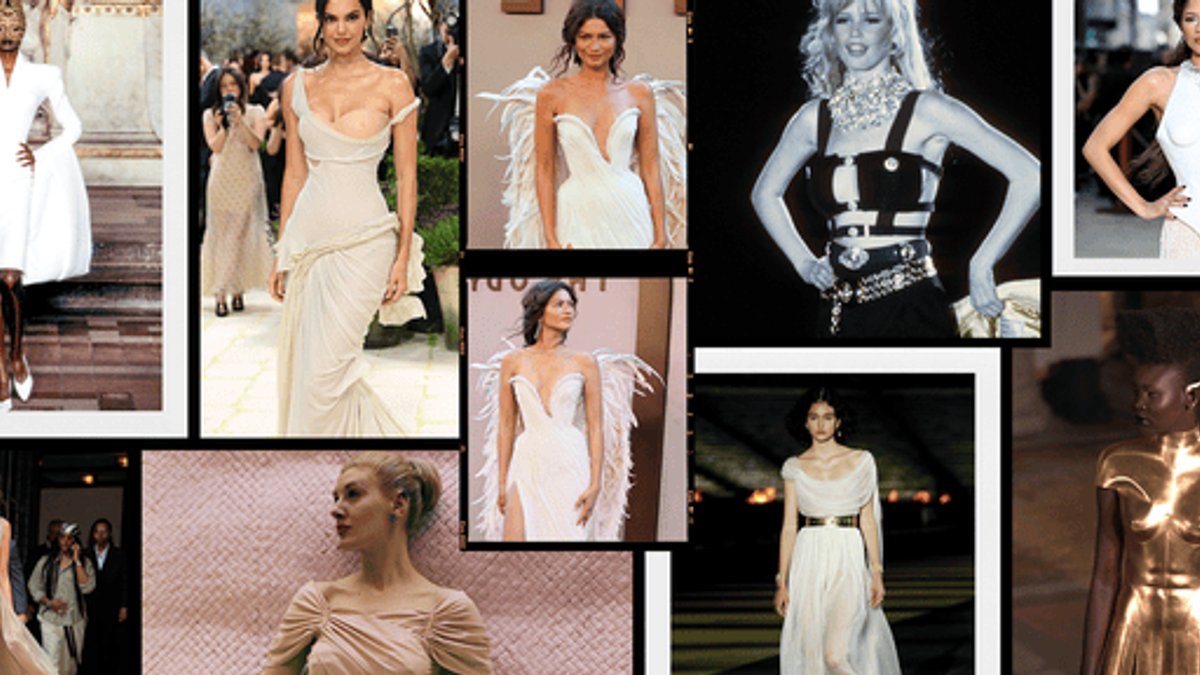
Zendaya’s red‑carpet outfits for Christopher Nolan’s The Odyssey have reignited a long‑standing fascination with ancient Greek fashion, a trend that stretches back more than a century.
From the screen to the runway: a modern Greek revival
At the film’s New York premiere, the actress arrived in a flowing white gown by Matières Fécales that featured life‑size feathered wings, a clear nod to the Winged Victory of Samothrace in the Louvre. Earlier appearances showcased a white Trussardi micro‑pleated dress, a custom Jacquemus column silhouette, and a Valentino silk‑leaf bodice, each echoing the draped lines of classical attire.
Costume designer Ellen Mirojnick, known for her work on Bridgerton, opted for a surrealist take on Mycenaean Greece rather than a literal recreation. The result aligns with a broader pattern in fashion where designers use ancient Greek motifs as a springboard for creative reinterpretation rather than strict historicism.
Historical roots of the Grecian look
Early twentieth‑century designers such as Paul Poiret and Madeleine Vionnet turned to Greek silhouettes to free women’s clothing from restrictive corsetry. Poiret’s 1906 dress for dancer Isadora Duncan employed rope‑like sashes and loose folds that mimicked the ancient chiton, while Vionnet’s seamless, draped gowns echoed the same aesthetic without seams.
These historical moments illustrate how the chiton and peplos—simple tunics tied at the waist—provided a template for designers seeking freedom of movement and a timeless aesthetic.
In the late twentieth century, the Greek reference turned playful. Gianni Versace incorporated Medusa motifs and Greca patterns into his collections, blending mythic symbolism with high‑fashion drama.
At the turn of the millennium, designers began referencing earlier Greek‑inspired works. Alexander McQueen’s 1997 Givenchy “Search for the Golden Fleece” collection used white and gold palettes to dress models as warrior goddesses, while Yohji Yamamoto’s 2005 runway paid homage to Madame Grès’s draping techniques.
Related: Duchess Meghan on MasterChef Australia
Jean Paul Gaultier’s 2006 couture mixed Greek elements with Parisian chic, presenting goddess‑style dresses with tassel belts and sheer harem pants. More recently, Karl Lagerfeld’s 2018 Chanel Resort collection evoked the bust of Venus and the Acropolis, featuring column‑heeled sandals and pottery‑inspired prints.
These recurring references demonstrate that Greek motifs have become a durable part of the fashion lexicon, resurfacing in new forms as designers reinterpret the past.
When looking at the current scene, the influence feels less about single designers and more about broader trends. Gladiator sandals, with their strappy silhouettes, dominated summer wardrobes in the 2010s, while draped silhouettes have reappeared in recent collections from Loewe, Dior, and Balenciaga. Even breastplate‑style bodices, seen at the 2026 Met Gala, trace lineage back to the ancient idea of armor‑like clothing.
It’s striking how the same visual language that freed early twentieth‑century women’s bodies now informs contemporary red‑carpet statements, showing a continuity that spans more than a hundred years of style evolution.
Zendaya’s own press‑tour looks, especially the feather‑winged gown, bring the conversation full circle, highlighting how modern celebrity wardrobes can serve as a bridge between cinema, runway, and historical inspiration.
Fashion remembers.




Leave a Reply