
Staying safe on the road in a gig economy – RoSPA Workplace Safety Blog

If you’ve ever driven a car or ridden a motorcycle on a short-term contract, chances are you’ve participated in the gig economy. In fact, millions of adults in the UK are now participants in the system as drivers and riders, whether they’re aware of it or not. But how can you and other road users stay safe?

What is the gig economy?

The term ‘gig economy’ is used to describe the 1.1 million people in the UK who work in a free market system in which temporary positions are common place. The gig economy is made up of three main components; the independent workers paid by the gig, the consumers who require a specific service or a particular item delivered; and the companies that connect the worker to the consumer.

For individuals working within the system, a job is usually for a specified period of time, whereby freelance and self-employed
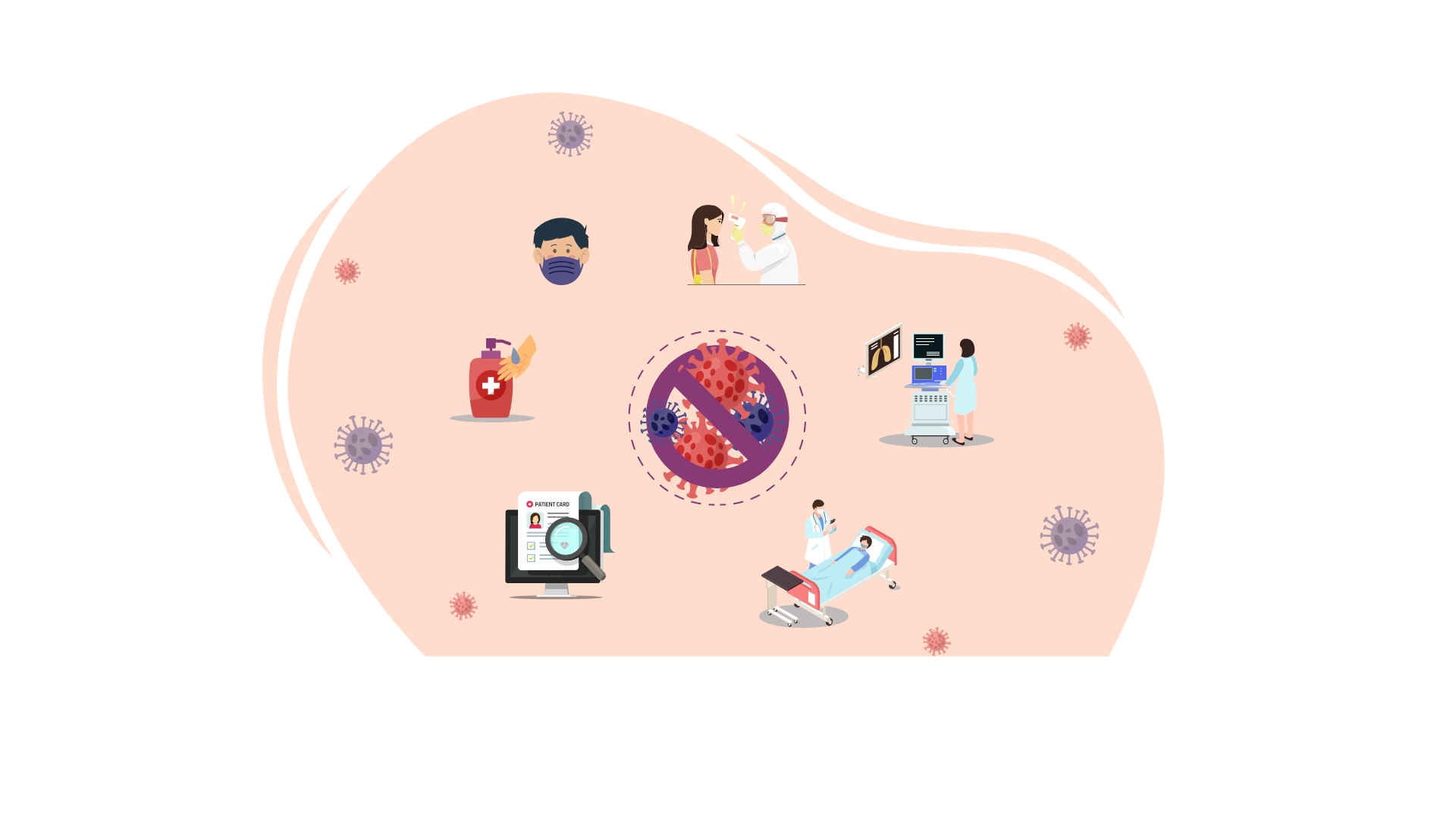
Why Interoperability is Crucial in Healthcare Operations

Why Interoperability is Crucial in Healthcare Operations

Healthcare Interoperability involves the use of many complex systems and information technology (IT) to exchange and interpret health-based data. It has been a key aspect of the extensive shift towards computerizing the healthcare industry. As of 2019, a fundamental level of interoperability has been achieved by roughly 75% of healthcare providers in the US. The ability to transfer data from one health system to another becomes quite challenging when acknowledging the differences in technological platforms. The main objective of Interoperability is to ensure a smooth exchange of data across various systems.

Interoperability and COVID-19

The COVID-19 Pandemic has exposed the need for better interoperability in the healthcare industry. The Pandemic has resulted in a significant uptick in the transfer of patient data. This data is crucial for public health officials as it includes testing results, pre-existing conditions, and potential hotspots. Interoperability would allow county and state officials to identify and

Keeping up with fast fashion may be stylish, but what about its consequences?

Keeping up with fast fashion may be stylish, but what about its consequences?

Kathryn Hendry doesn’t feel pressure to buy clothes for everyday class outfits, but feels the need to update her closet yearly when it comes to “going out” tops.

“I bought new going out clothes freshman year and then again this year,” Hendry, a sophomore majoring in marketing and advertising at Syracuse University. “I feel like the cycle of trends happens faster with going out tops and it’s displayed in a more public way.”

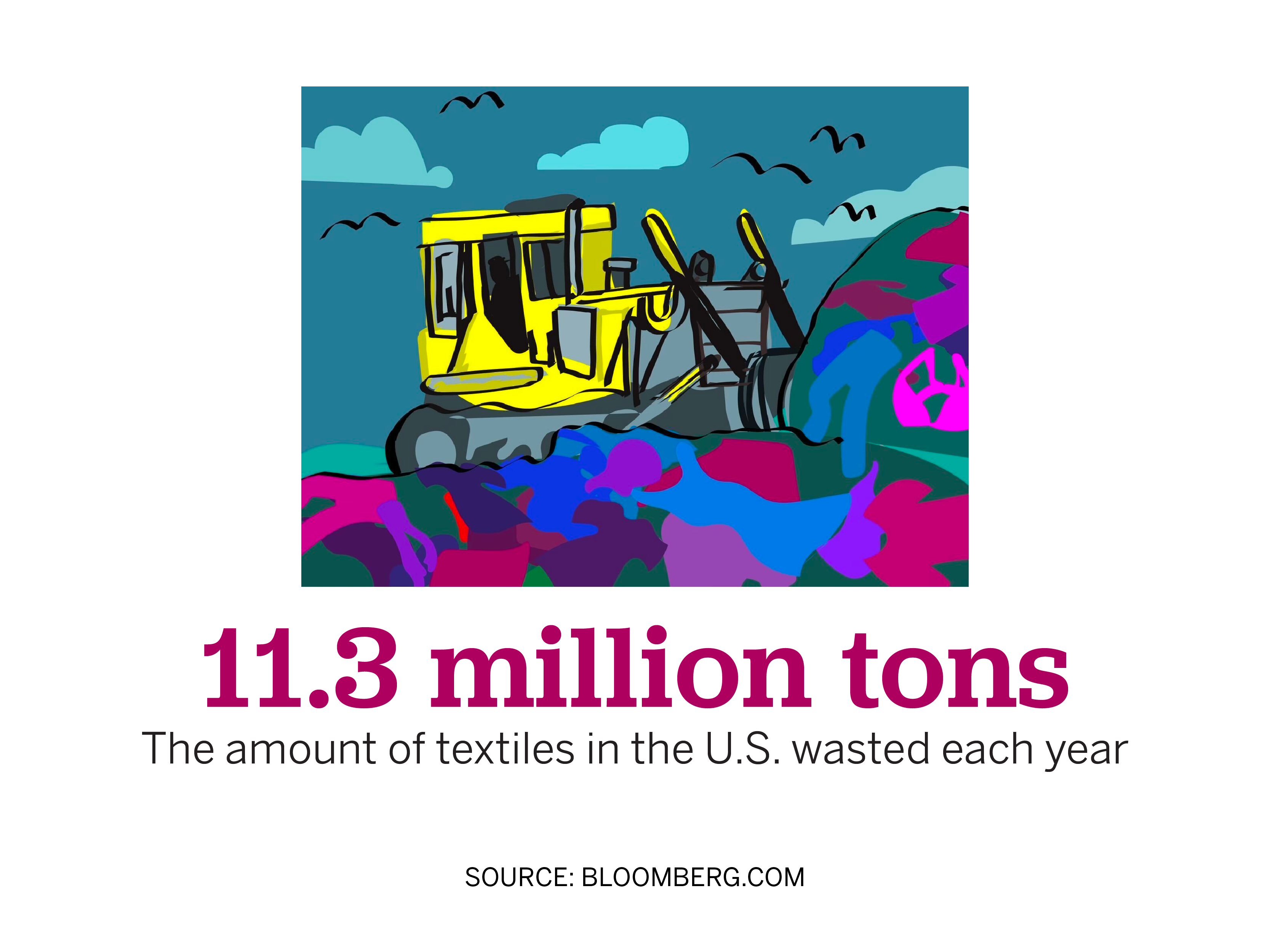
There seems to be an unspoken pressure for students on SU’s campus to continuously buy new pieces of clothing, especially at the beginning of the school year. Students will often wear a trendy piece once before throwing it away and contributing to the 11.3 million tons of textiles the US wastes each year.

“There’s a certain pressure to wear something different every time you go out. It’s stupid, but it’s a real thing,” said Michela Galego, a