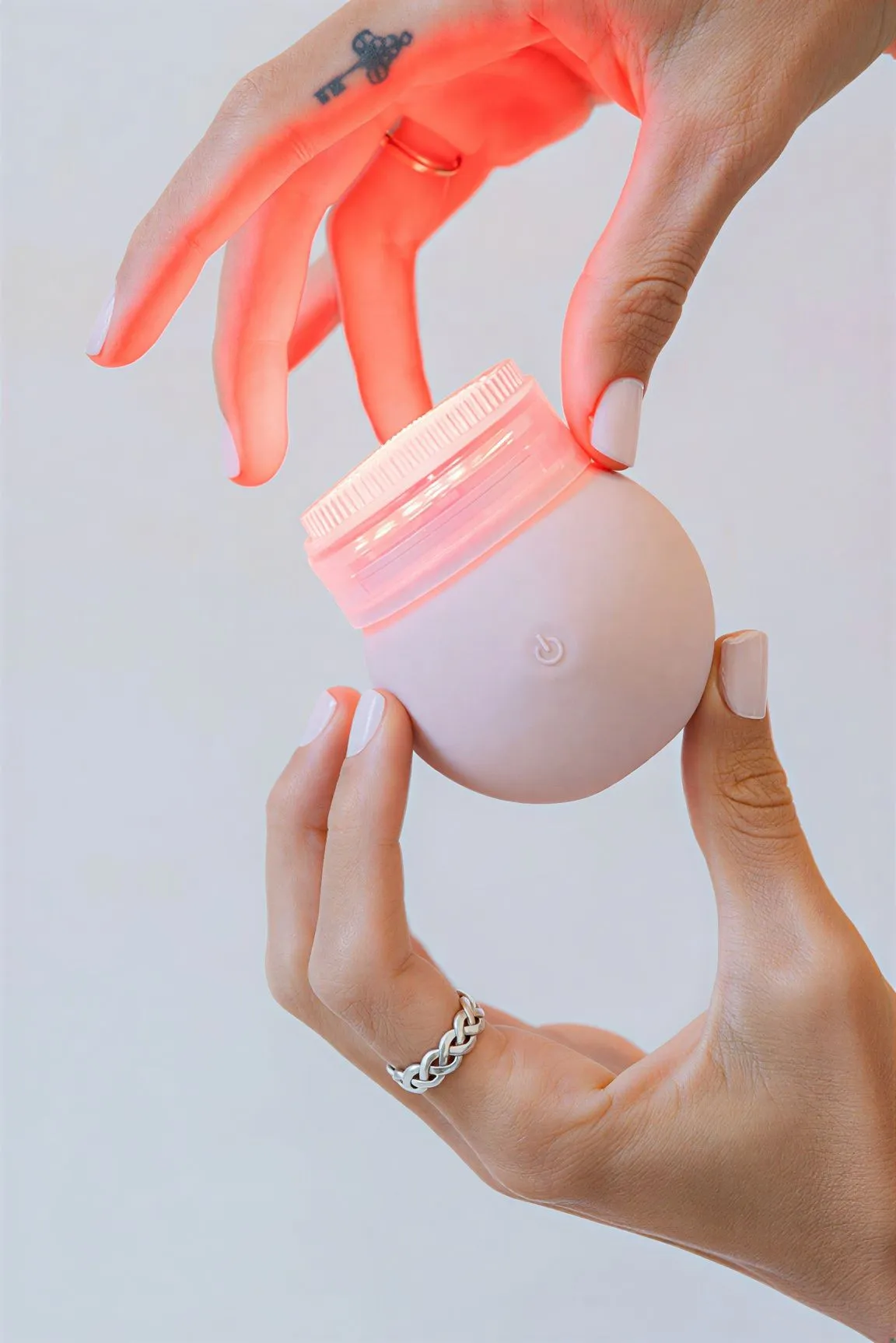
Incorporating a facial steamer into your skin care routine hydrates your skin, softens sebum, and maximizes the absorption of your favorite serums. Steaming opens up your pores and uses warm micro-steam to loosen trapped dirt, oil, and dead skin cells that cause stubborn breakouts. Instead of spending money on frequent spa treatments, a home facial steamer provides professional-level deep cleansing and hydration in just a few minutes. Master the basic steps and safety guidelines to transform your complexion and elevate your home skincare regimen.
Preparing Your Skin and Equipment for a Safe Session
Proper preparation ensures your facial steaming session yields maximum benefits without irritating your skin barrier or damaging your device. Always start by thoroughly cleansing your face with a gentle, non-foaming cleanser to remove makeup, sunscreen, and surface oils. Steaming over unwashed skin forces surface grime deeper into open pores, leading to congestion and inflammatory breakouts.
Filling your device water tank correctly is equally important for maintaining equipment hygiene and protecting your skin. Always use distilled water rather than tap water or mineral water. Tap water contains heavy minerals like calcium and magnesium that leave hard deposits inside the heating element, clogging the nozzle and spewing hot mineral droplets onto your face.
Mastering Distance, Timing, and Steaming Technique
Controlling steam temperature and exposure time prevents thermal burns and protects fragile facial capillaries. Place your facial steamer on a flat, stable surface at eye level, ensuring the cord is secure and out of the way. Position your face approximately eight to ten inches away from the steam nozzle to allow the mist to warm your skin gently without causing heat discomfort.
Keep your steaming sessions brief, especially when starting out. Limit your treatment to five to eight minutes, two to three times per week. Over-steaming strips the skin of natural lipids, causing rebound oil production, severe dryness, and increased sensitivity. If you have sensitive skin or rosacea, keep your sessions under five minutes and position yourself slightly further from the nozzle.
Post-Steam Care to Lock in Moisture and Nutrients
The steps you take immediately after steaming determine how effectively your skin retains moisture and active ingredients. Pat your face gently with a clean microfiber towel, leaving the skin slightly damp. Because warm steam softens dead surface cells and loosens debris, this is the optimal time to apply a gentle clay mask, peel-off mask, or hydrating serum.
Follow up immediately with your favorite active treatments and a rich moisturizer. Warm steam increases local blood circulation and opens intercellular pathways, allowing ingredients like hyaluronic acid, peptides, and niacinamide to penetrate deeper into the dermis. Finishing with a lipid-rich cream seals in the newly absorbed hydration and strengthens your natural skin barrier.
Conclusion
Facial steaming is an easy, highly effective way to deeply hydrate your skin and boost the performance of your daily skincare products. Softening trapped oils and expanding pores makes your cleansers and serums work far more efficiently. By using distilled water, maintaining a safe distance, and limiting your sessions to a few minutes a week, you get clear, glowing skin without irritation. Add a facial steamer to your weekly routine today to enjoy spa-quality hydration in the comfort of your home.





Leave a Reply