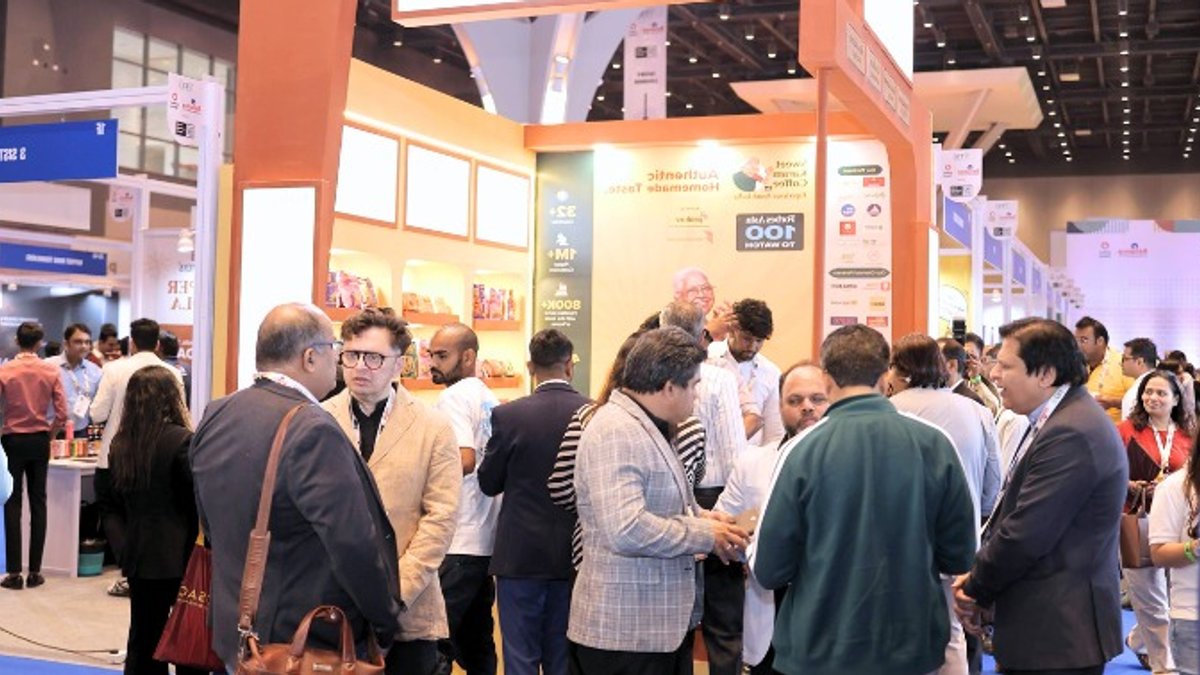
The Indian retail market is expected to reach a value of $2 trillion by 2030, but achieving this target depends on how quickly businesses integrate advanced technology into their operations. During the 20th Retail Leadership Summit (RLS) in Mumbai on February 16–17, 2026, exhibitors unveiled solutions designed to transform physical stores into intelligent, data-driven environments. Among the innovations were AI-driven checkout systems and real-time inventory management tools.
At the forefront of this transformation was Happiest Minds Technologies, which showcased how generative AI and Internet of Things (IoT) capabilities can digitize traditional retail spaces. The company’s offerings included cashier-less checkout systems, automated shelf monitoring, and customer movement analytics through heatmaps. Additional features involved AI-powered product recommendations and dynamic pricing adjustments based on real-time demand and competitor pricing.
Ishaan Aggarwal, Lead, Business Development, said, “We provide RFID, POS systems, and even demand forecasting for retail stores. We also help automate manual processes like PO generation using bots and AI, which otherwise require multiple people to manage,”
Supply chain transparency emerged as a key discussion point. Avery Dennison demonstrated RFID tags embedded directly into garments and product labels during manufacturing, enabling retailers to track inventory in real time. Meanwhile, base. unveiled a multichannel management platform that seamlessly connects online sales—whether through Shopify, standalone brand websites, or Amazon’s fulfillment network. This system allows retailers to fulfill orders from Amazon warehouses regardless of the original sales channel, reducing storage costs and accelerating delivery times.
Rather than replacing physical stores, technology is redefining their role. Elo, now part of Zebra Technologies, displayed hardware solutions for smart retail environments, including touchscreen POS terminals, self-service kiosks, and remote device management tools. TVS Electronics and Lipi further expanded this trend by introducing scalable POS systems and mobile barcode printers, making advanced retail technology accessible even to smaller businesses.
Store expansion is also becoming more strategic. Sangam CRM, used by over 10,000 retail outlets, automates the process of opening new locations through location scouting, standardized checklists, and team coordination via WhatsApp chatbots and Microsoft Teams. The platform integrates analytics tools like Power BI and monitoring systems to minimize operational disruptions during rollouts.
Customer engagement was another key theme, particularly as retailers look to scale support without increasing headcount. Rootle introduced voice AI systems capable of handling customer support in regional languages, reducing reliance on human agents for routine inquiries.
New regulatory requirements are accelerating the need for compliance. India’s Digital Personal Data Protection Act (2023) imposes stricter controls on how retailers collect and process customer data. ETP highlighted its SOC1 Type 2, SOC2 Type 2 and ISO 27001 certifications as tools to help businesses meet these evolving standards.
Despite the digital shift, the physical store experience remains essential. Satin Neo Dimensions showcased its work across store interiors, signage, and wayfinding systems.





Leave a Reply