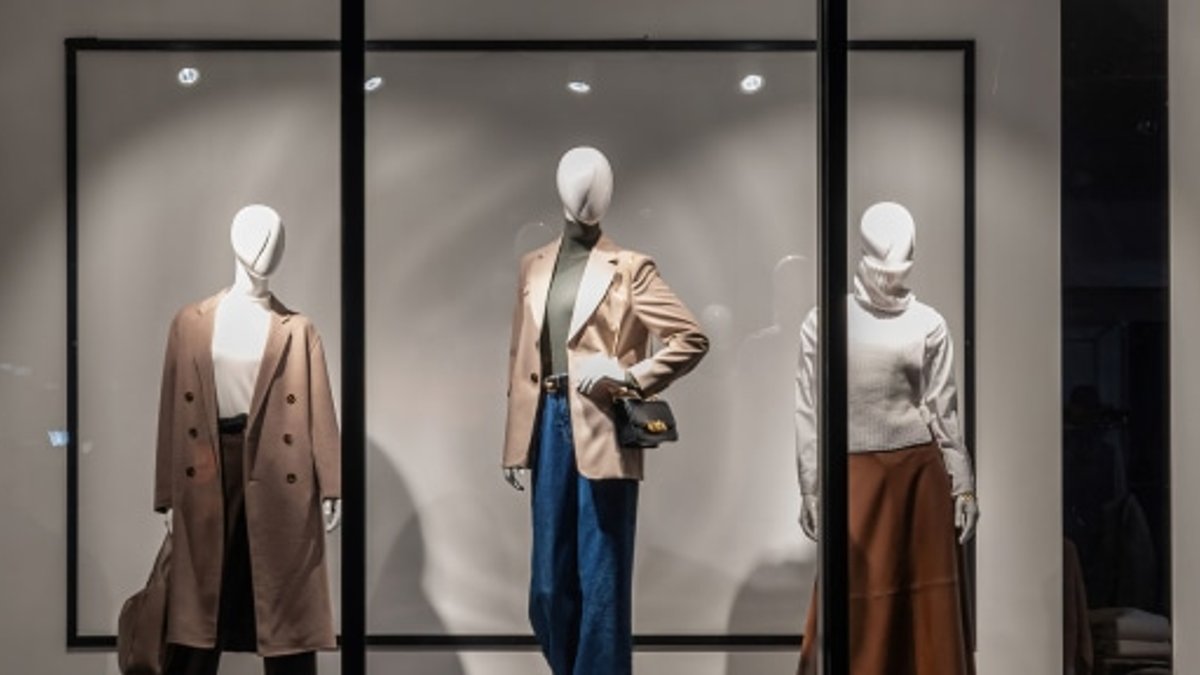
According to a newly released Fashion Retail Index, the Australian apparel sector experienced a slight 1.0% rise in comparable sales for September 2026 relative to the prior year. While the total volume of transactions climbed by 0.2% and the average price per item went up 2.4%, the drop of 1.4% in unit sales implies shoppers are still being careful with non-essential purchases.
Margin Recovery and Channel Performance
Profitability metrics improved in September, undoing the weaker figures seen in the prior two months. This shift is vital as merchants head into the key spring–summer and Christmas trading window, where preserving margin will be key for a strong finish to the year. Results across different retail formats varied. Digital platforms saw a boost of 4.6%, whereas standalone shops posted a more restrained gain of 0.9%. Conversely, both Outlet outlets and Department Store Concessions experienced declines year-on-year.
Sales in concessions dropped by 3.4% last month, marking one of the poorest monthly figures in recent memory. The index highlights the well-known struggles at both David Jones and Myer. This sales channel has now fallen in six of the last eight quarters and consistently trails the Standalone Store Channel. For the period ending September 2026, concession sales were down 2.7%, following a 1.1% decrease in the September 2025 quarter and an almost 3.0% fall in the 2024 quarter.
Concession Challenges Deepen Amid Rising Costs
These figures reflect compounded annual drops on a like-for-like basis, which is a worrying trend for the fashion sector. Historically, concessions helped brands build recognition, attract new clients and ensure steady product turnover. As sales keep softening, many fashion houses are doubting the channel’s ability to drive revenue and margin expansion. Most operators of concessions are painfully aware of the major performance gap between department store locations.
High-performing concessions, usually found in major shopping centres or city centres, do perform well and create steady store profitability. However, the outlook is grim in smaller or regional stores, where low footfall makes individual concessions harder to justify. The economic feasibility of these spots is now under intense review. Years of falling sales are being added to by a growing cost base, encompassing higher wages, lease costs and other operational outlays.
The central issue for retailers is no longer just if concessions stay a vital sales avenue. It is whether a broad concession network, especially in lower-performing department store spots, can still provide a satisfactory financial return. Unless sales improve, brands will likely have to reconsider the scope, setup and business sense of their concession strategies.





Leave a Reply